

About Walter Sisulu
Get in touch
Email Address:
Contact Numbers:
Mthatha: 047 502 2100
Butterworth: 047 401 6000
East London: 043 702 9200
Potsdam: 043 708 5200
Chiselhurst: 043 709 4000
It is universally accepted that the African calendars are significantly linked to many sciences (e.g., astronomy, ethnobotany, anatomy), but the immense potential to improve the associated Indigenous Knowledge Systems (IKS) is generally ignored. January is called eYomqungu in the Xhosa calendar - named for the native grass species (Andropogon gayanus Kunth). Its origins include the tropical and subtropical savannas of Africa where long dry seasons occur. Magnificent anatomical features of this grass include its fibrous root system which spreads widely to support a deep penetrating major root that is rich in energy. This gives the grass a rare combination of being highly drought-tolerant and ability to combat soil erosion. In addition to the nature conservation values, umqungu is the most popular thatch grass of South Africa and a reliable forage grass during the periods of drought. For many years, I have observed deterioration of the Eastern Cape landscape, especially in the former Transkei hinterland from Mount Eylif to Mbashe River. Here, grazing and crop production potential is continually hindered by progressive dongas due to soil erosion. I cannot resist taking pictures to remind me of the Sustainable Development Goal 15. I am now able to confirm that existing research mainly explains the problem and solutions are not provided. What is lacking is a combination of aggressive government extension services to assist the affected communities to partake in research attempts to identify the potential of umqungu to combat the permanent loss of livelihoods linked to soil, namely, food security and natural conservation. We can combine universal soil loss equation model (RUSLE), remote sensing, Geographic Information Systems (GIS), anatomy and genetics to expand the value of African Indigenous Knowledge System (IKS). Technology-infused African knowledge is the vision of Walter Sisulu University in the Eastern Cape, South Africa.
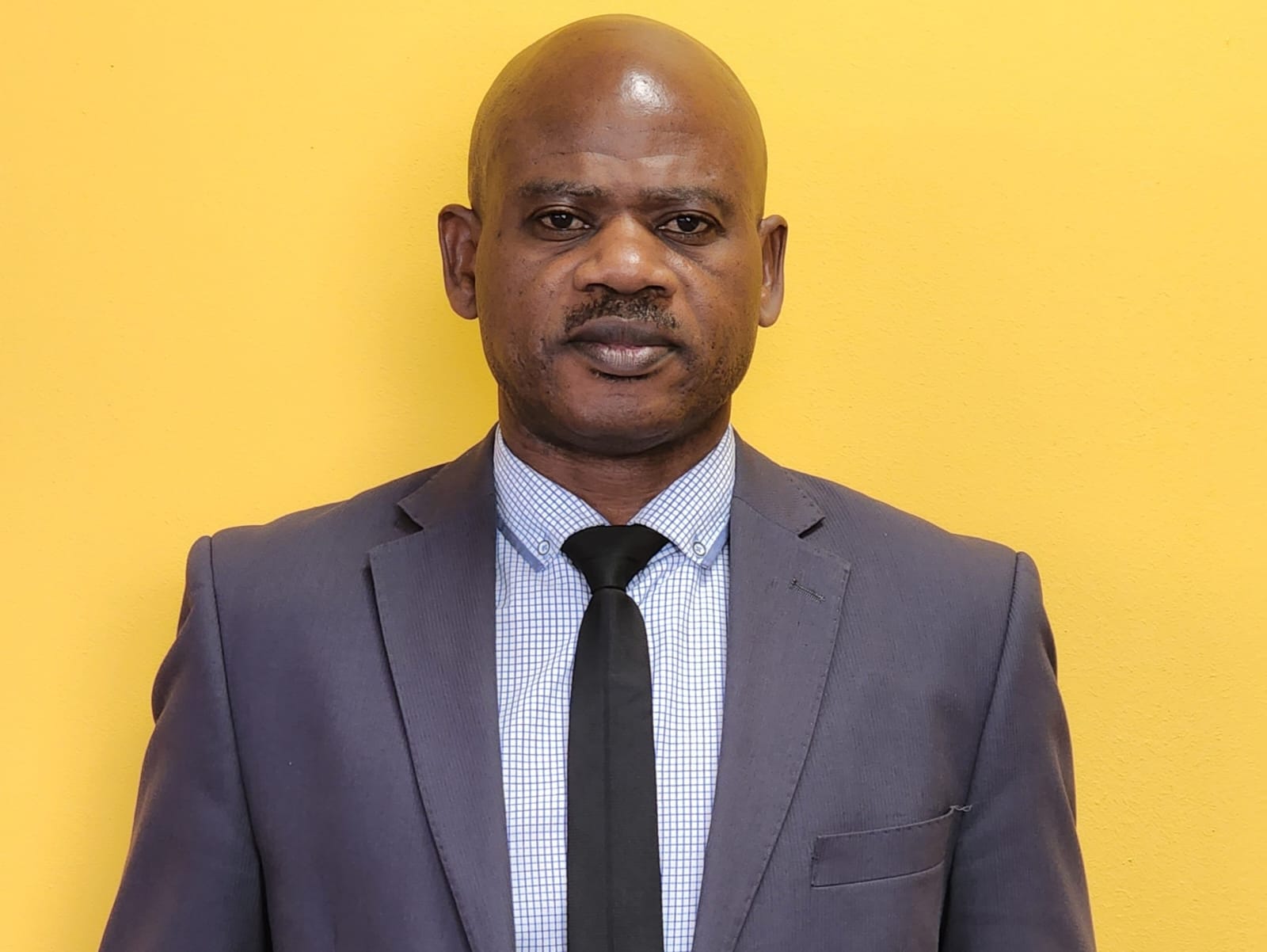
By: Professor Albert Modi, Executive Dean, Faculty of Natural Sciences, WSU
Walter Sisulu University
Every gift moves us forward.

The Walter Sisulu Legacy Fund is an opportunity for alumni, staff, partners and friends of the University to invest in the long-term future of Walter Sisulu.
It exists to expand opportunity for students, support academic excellence and innovation, respond to strategic priorities, and build a more resilient institution.
Why give? Because the strength of a university is built across generations. Your contribution helps Walter Sisulu to:
Join the movement. Watch the Fund grow. Add your name to the legacy.