

About Walter Sisulu
Get in touch
Email Address:
Contact Numbers:
Mthatha: 047 502 2100
Butterworth: 047 401 6000
East London: 043 702 9200
Potsdam: 043 708 5200
Chiselhurst: 043 709 4000
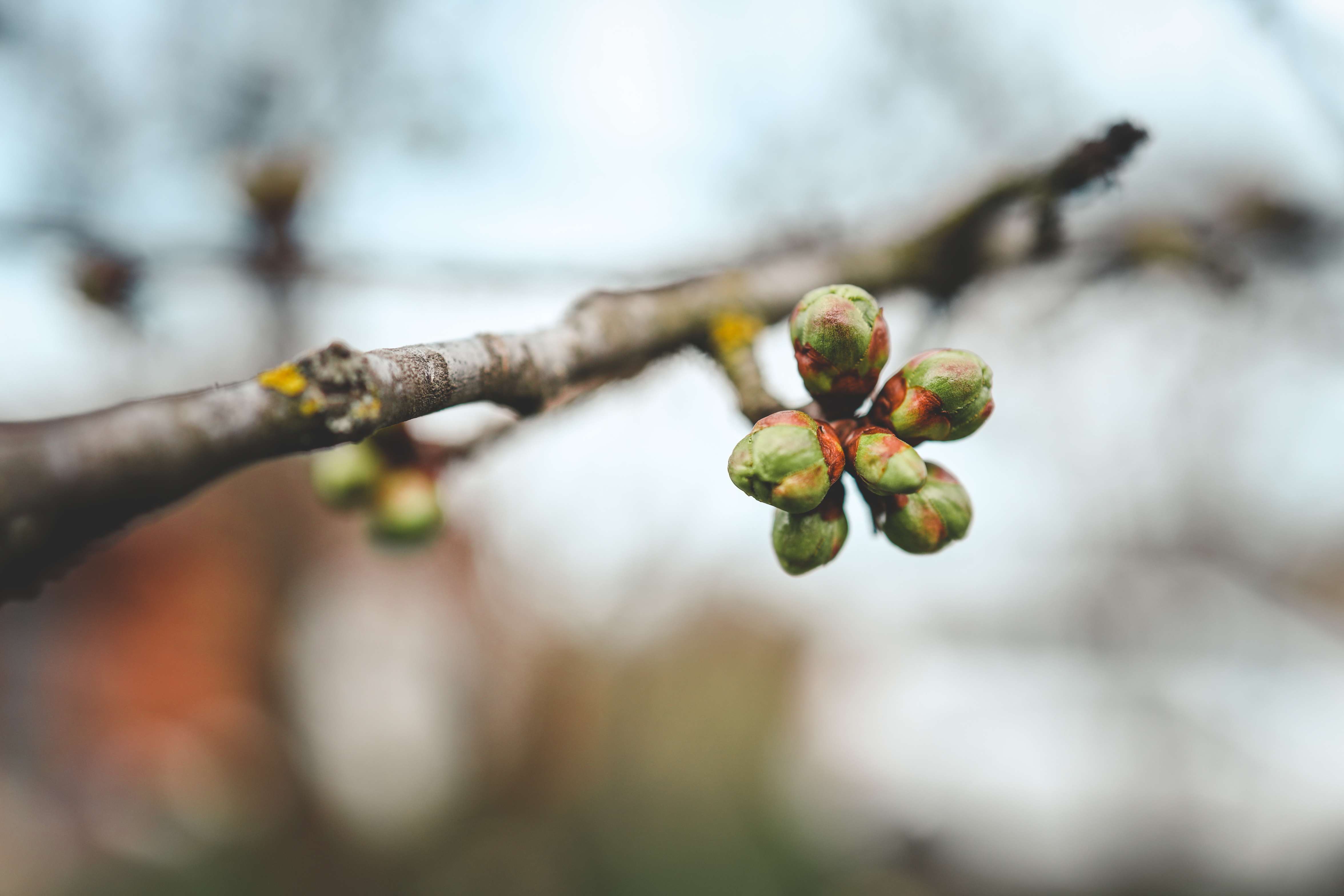
The Xhosa name for August is “eyeThupha”. This means the period of formation of buds in plants. In plant physiology explanation, this is vernalisation, a necessary response by biennial plant species to cold temperatures.
Xu and Chong (2018: DOI:10.1038/s41477-018-0301-z) stated that “this phenomenon is regulated by diverse genetic networks, and the memory of vernalisation in a life cycle mainly depends on epigenetic mechanisms. However, less is known about how to count winter-dosage for flowering in plants”.
The question is what did the Eastern Cape natives know about plant physiology in the naming of August even before their interaction with the “information age” of formal education?
The answer can be explained in our understanding of how the education system has evolved from Education 1.0 (passive learning and lack of technology), Education 2.0 (active learning with limited use of technology), Education 3.0 (proactive and student -centred learning with full integration of technology), Education 4.0 (technology as a core of education and full emergence of artificial intelligence) to the current Education 5.0 (personalised, collaborative and adaptive learning with technology as the core).
For Bantus, research has shown that knowledge generation occurred before Education 1.0, but it can be recognised for its contribution to it. For example, “We do not claim that the Bantus are capable of presenting us with a philosophical treatise complete with an adequate vocabulary. It is our own intellectual training that enables us to effect its systematic development. It is up to us to provide them with an accurate account of their conception of entities, in such a way that they will recognize themselves in our words and will agree, saying: You have understood us, you know us now completely, you ‘know’ in the same way we ‘know’. (Tempels, 1969: 24, cited by Hountondji, 2009: https://doi.org/10.4000/rccsar.174 )
A proper analysis of our South African biomes for deliberate influence on (fruit) farming and environmental management is necessary for science-centred rural community development and sustainable biodiversity management. We can learn more from Indigenous knowledge systems and rapidly transform it to edu-science.
By Professor Albert Modi, Faculty of Natural Sciences, Walter Sisulu University,
Walter Sisulu University
Every gift moves us forward.

The Walter Sisulu Legacy Fund is an opportunity for alumni, staff, partners and friends of the University to invest in the long-term future of Walter Sisulu.
It exists to expand opportunity for students, support academic excellence and innovation, respond to strategic priorities, and build a more resilient institution.
Why give? Because the strength of a university is built across generations. Your contribution helps Walter Sisulu to:
Join the movement. Watch the Fund grow. Add your name to the legacy.