

About Walter Sisulu
Get in touch
Email Address:
Contact Numbers:
Mthatha: 047 502 2100
Butterworth: 047 401 6000
East London: 043 702 9200
Potsdam: 043 708 5200
Chiselhurst: 043 709 4000
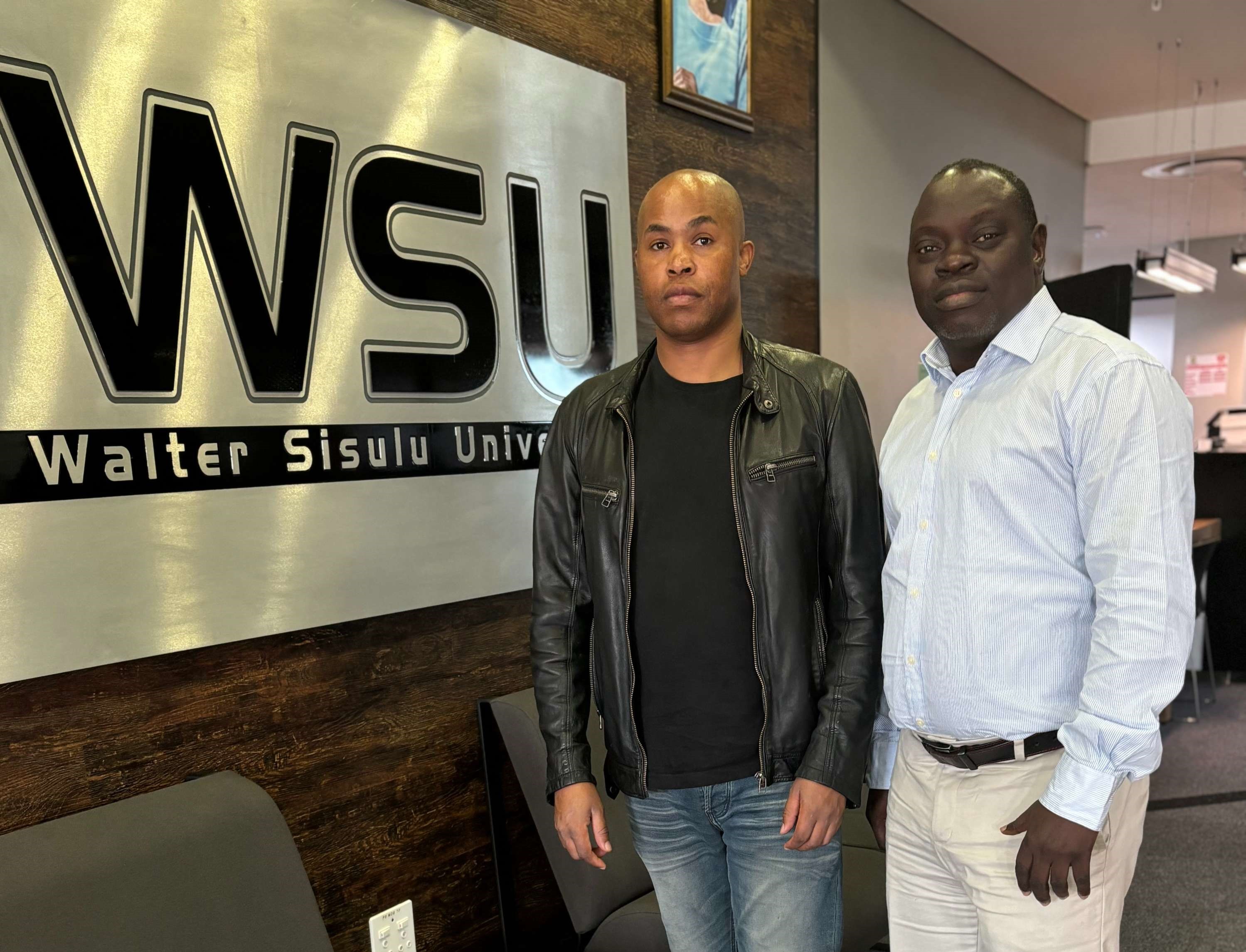
In a groundbreaking study, WSU researchers have unveiled a promising solution to the nation's environmental and energy challenges by adopting plasma coal gasification, hydrogen and novel fuel as advanced technology for power generation in South Africa.
The paper, authored by Dr Solomon Giwa and Dr Raymond Taziwa, is Titled: Adoption of Advanced Coal Gasification: A Panacea to Carbon Footprint Reduction and Hydrogen Economy Transition in South Africa
“Advanced coal gasification is a process that converts coal into syngas (synthetic gas) through high-temperature reactions with steam and oxygen. This technology not only allows for more efficient and cleaner energy production, but also serves as a critical step towards the generation of hydrogen,” explained Giwa.
Giwa added that to tackle the problem of coal emissions and support the country's energy transition plan and the global push for a low-carbon and zero-carbon economy, the research looked at hydrogen as a future fuel.
“The research was motivated by the need for South Africa to shift from non-renewable to renewable energy, diversification of energy, energy crisis, energy security, and high carbon footprint (14th in the world and 1st in Africa) in line with sustainable development goals and the global energy decarbonisation agenda,” said Giwa.
The findings showed that using plasma gasification of coal can greatly lower carbon emissions in South Africa, releasing much less carbon dioxide compared to traditional coal gasification. This technology can be set up in modules for power generation in off-grid and remote areas.
“Burning hydrogen is cleaner and releases more energy than coal, with no carbon emissions. Additionally, coal plasma technology can co-gasify municipal solid waste, agricultural waste, and other types of waste. Hydrogen from coal plasma gasification can help decarbonise the transport, power, and aviation sectors, which are hard to decarbonise, as well as the manufacturing, chemical, and residential sectors,” said Giwa.
He concluded that the adoption of the advanced coal gasification technology will help fast-track the national energy transition and Hydrogen South Africa agenda in South Africa, increase electricity generation and access, solve the energy crisis, strengthen energy security, promote hydrogen production and export for foreign exchange earnings.
By Anita Roji
Walter Sisulu University
Every gift moves us forward.

The Walter Sisulu Legacy Fund is an opportunity for alumni, staff, partners and friends of the University to invest in the long-term future of Walter Sisulu.
It exists to expand opportunity for students, support academic excellence and innovation, respond to strategic priorities, and build a more resilient institution.
Why give? Because the strength of a university is built across generations. Your contribution helps Walter Sisulu to:
Join the movement. Watch the Fund grow. Add your name to the legacy.