
Languages:
Staff Apps | Enterprises | Media | Support Services | Vision 2030 | Procurement | Tenders | Contact
Staff Apps | Enterprises | Media | Support Services | Vision 2030 | Procurement | Tenders | Contact
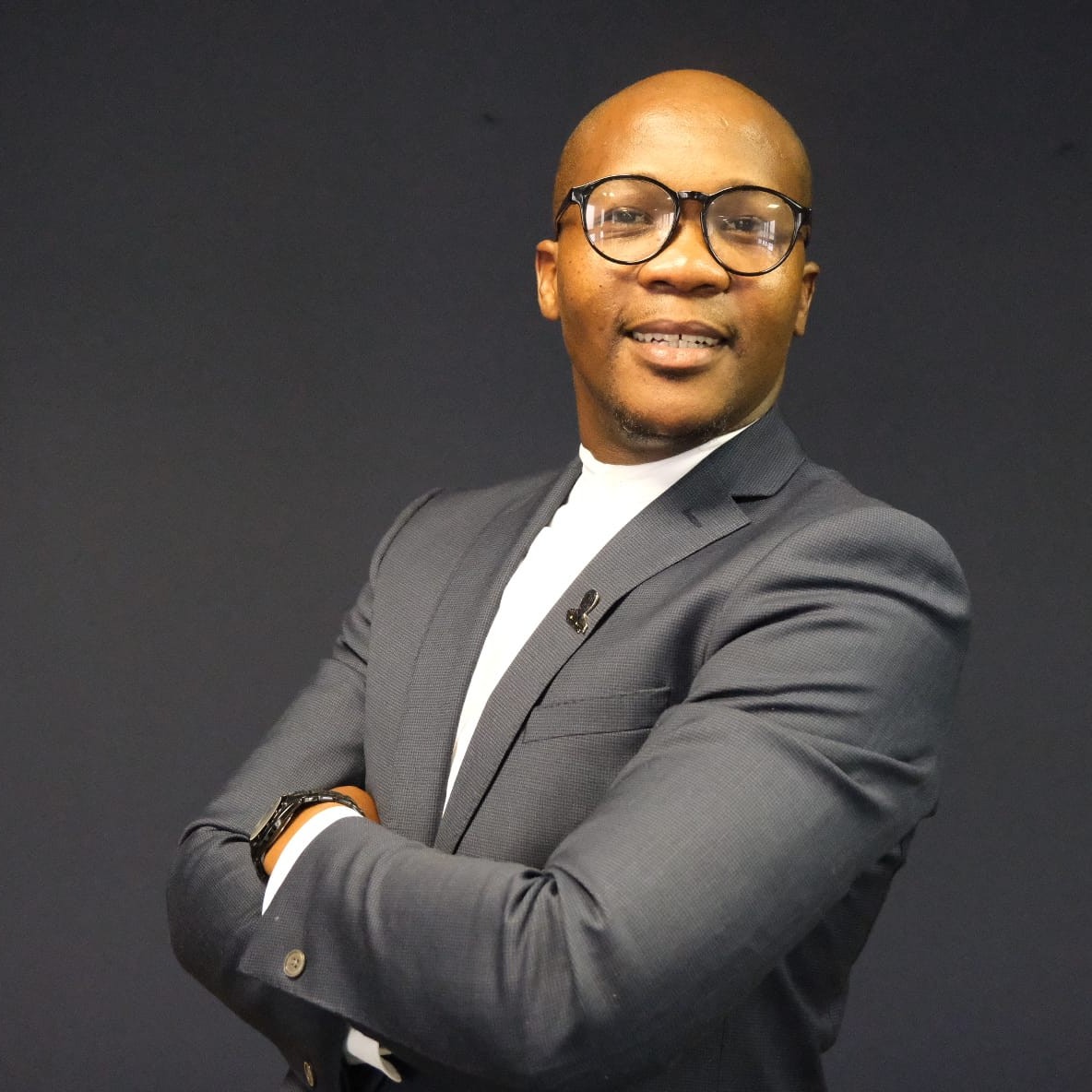 Learners with visual impairment continue to be sidelined in sexuality education according to Walter Sisulu researcher and lecturer, Dr Obakeng Kagola.
Kagola asserted that learners with visual impairment (LVI) are often excluded from meaningful sexuality education due to their limited access to visual social cues which typically inform what is considered appropriate behaviour for sighted learners.
In the absence of an inclusive curriculum, LVI are often shamed for their expressions of sexuality, and are subsequently deprived of healthy sexual development and understanding of self.
“These responses can shape how learners come to understand and construct their sexual identities over time. When teachers shame or reprimand learners, they are not only regulating behaviour, they reinforce the idea that sexuality is dangerous or taboo and position themselves [teachers] as moral authorities rather than facilitators of learning,” said Kagola.
Kagola is one of a host of scholars who contributed chapters to a recently published book titled The Psychosexual Experiences of People with Visual Impairment in South Africa.
The book addresses the historical silencing of sexuality within disability studies, while Kagola and co-author, Professor Lindokuhle Ubisi specifically expose the glaring gaps in sexuality education for LVI.
“Individuals living with disabilities have often been constructed as either asexual, hypersexual or deviant, resulting in their exclusion from meaningful sexuality education and related discourses. Our aim was to challenge dominant misconceptions about persons living with visual impairments and their fluid sexualities,” said Kagola
In their findings, Kagola and Ubisi documented instances of learners engaging in sexual behaviours such as masturbation in public spaces, indicating significant gaps in curriculum-based sexuality education.
They reported that teachers often responded with reprimand, shame, or avoidance, further perpetuating the view that LVI were not sexual beings.
“Normalising behaviours such as masturbation is crucial because they are part of natural bodily exploration and identity formation. For LVI, who in their learning their bodies are central to self-discovery and learning about their environment. Therefore, from a psychosocial point such behaviours are central to understanding their bodies,” Kagola remarked.
As a starting point, the researchers suggested continuous professional teacher development to equip teachers on Comprehensive Sexuality Education (CSE) trends, while reframing sexual behavious as developmental rather than deviant, especially for learners with special educational needs.
“They should be equipped to use these moments as teaching opportunities, what in the chapter we refer to as “incidental teachable moments”. This involves guiding learners respectfully, without shame, and explaining concepts such as privacy and appropriateness in accessible ways,” Kagola suggested.
Kagola also stipulated that shifting teacher responses from punishment to supportive inclusive environments could significantly influence how learners perceived themselves.
“When learners are guided respectfully, they are more likely to develop a positive relationship with their environment, bodies and understand their sexuality as a normal part of being human,” he concluded.
By Yanga Ziwele