

About Walter Sisulu
Get in touch
Email Address:
Contact Numbers:
Mthatha: 047 502 2100
Butterworth: 047 401 6000
East London: 043 702 9200
Potsdam: 043 708 5200
Chiselhurst: 043 709 4000
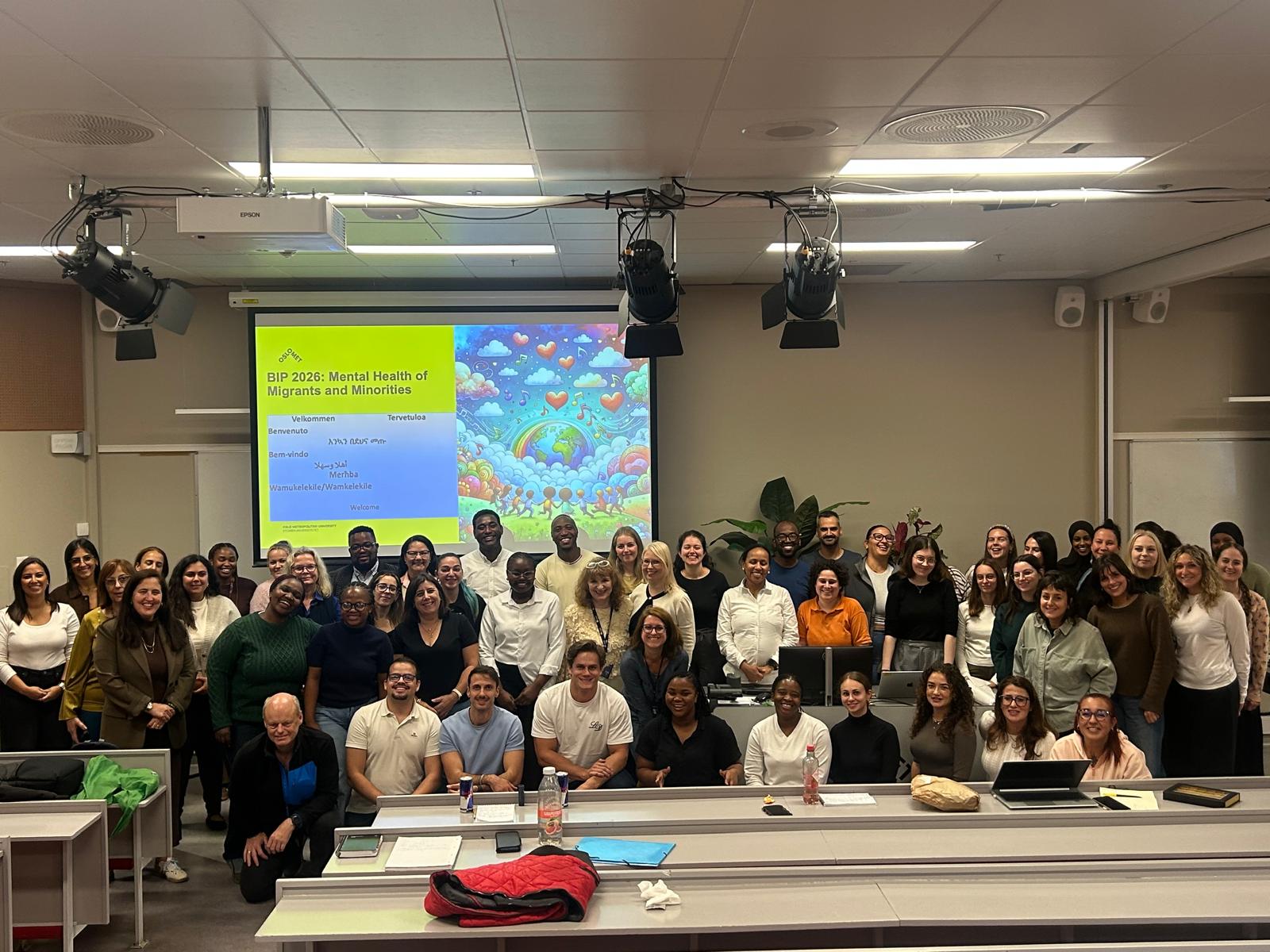
iYunivesithi Walter Sisulu academics found benevolent inspiration at the Mental Health of Migrants and Minorities programme hosted by Oslo Metropolitan University (OsloMet) in Norway where human rights, dignity and social justice took centre stage.
The group is now calling for the adoption of a holistic approach to mental health in South Africa which will explore issues affecting the mental health of migrants and minority groups.
The programme explored key issues that included discrimination, stigma, trauma, language barriers and the experiences of undocumented migrants.
For Mental Health Nursing lecturer, Bhekithemba Vellem, the programme introduced concepts that broadened his understanding of mental healthcare and cultural competence.
“I was challenged by concepts I had not taught before, particularly moral injury and cultural humility, which goes beyond learning facts about other cultures. It means asking people how they understand their own distress and reflecting on our own biases,” he explained.
The contrast between South Africa and Norway, highlights a significant gap between policy and practice in migrant mental healthcare.
According to Vellem, in European countries, migrant mental health is more built into the system: “It is documented, implemented and practised. Migrants are linked to healthcare services early, their psychological wellbeing is routinely assessed and specialised trauma support services are available.”
By comparison, while South Africa has a strong legislative and policy foundation, including constitutional protections (National Mental Health Policy Framework 2023 – 20230) and the Mental Health Care Act No. 17 of 2002, Vellem said practical implementation remained a challenge.
Reflecting on the experience, Public Health lecturer, Ziphelele Peter said one of the most profound lessons was witnessing how migrant mental health was framed in Norway.
The discussions further exposed gaps in African research, with Peter noting that moral injury was rarely studied in African settings. She called for greater research exploring how it manifested among refugees and migrants in South Africa, as well as its impact on families and communities.
“There is also limited evidence on how ongoing anti-migrant mobilisation and marches affect the mental health of documented and undocumented migrants, and their access to care,” she added.
“One of the biggest challenges to my thinking was the programme’s strong human rights foundation. In Norway, migrant mental health is framed first as a matter of rights, dignity and equal access before it is considered a clinical issue. In South Africa, we often focus on symptoms, diagnosis and treatment, while paying less attention to the social and political conditions that contribute to poor mental health outcomes,” she said.
Meanwhile, the routine use of trained interpreters rather than family members exposed how often language barriers were overlooked in SA. Vellem noted that further research could examine how this affected confidentiality, communication, mental health assessment and the overall quality of care provided.
By attending the programme, the pair contributed as members of the international teaching and facilitation team, delivering lectures and facilitating learning activities. For the postgraduate students, the experience provided valuable exposure to international collaboration and global perspectives on migrant mental health.
The visit builds on the faculty’s collaboration with OsloMet through the Educational Quality in Partnership (EQUIP) and Stellenbosch University partnership. It further supports the University’s strategic commitment to internationalisation, global partnerships and research-led education.
By Thandeka Mgqibi