
Staff Apps | Enterprises | Media | Support Services | Vision 2040+ | Procurement | Tenders | Contact
Staff Apps | Enterprises | Media | Support Services | Vision 2040+ | Procurement | Tenders | Contact
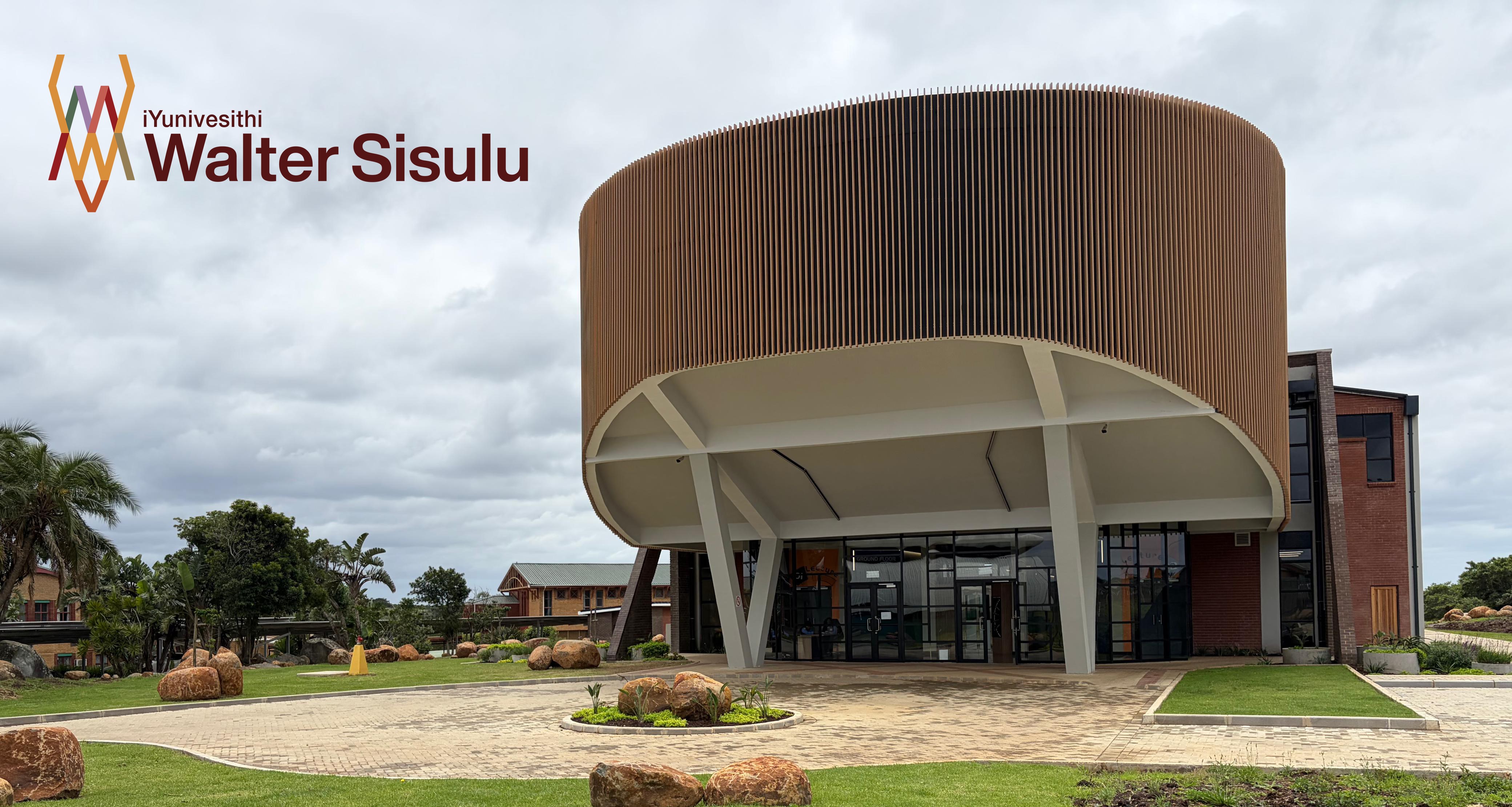
iYunivesithi Walter Sisulu (Walter Sisulu) has secured its inaugural placement in the Times Higher Education (THE) World University Rankings 2027, entering the 1 801–2 000 band just months after being recognised among South Africa’s top four universities for sustainability impact.
Released in late September, the rankings assessed 2 297 institutions across 118 countries and territories using 17 performance indicators across five pillars: Teaching, Research Environment, Research Quality, Industry and International Outlook. Walter Sisulu recorded an overall score of 20.4–24.1.
The university’s strongest performance came in International Outlook (37.5), followed by Research Quality (29.5), Industry (26.5), Teaching (14.1) and Research Environment (13.0).
Vice-Chancellor and Principal Prof Thandi Mgwebi noted that the debut was significant not as an end in itself, but as an external marker of a wider institutional journey.
"The institution's debut in the THE World University Rankings is significant in that it situates Walter Sisulu within a global discourse on university performance and societal impact,” she said.
“We are not pursuing rankings as an end in themselves. We are pursuing academic excellence, societal relevance and research impact, of which international rankings provide one external measure of visibility,” she added.
The ranking coincided with the university’s transition to Vision 2040+ – Flourishing Futures and the tabling of Prof Mgwebi’s First 100 Days Report, which sets out the institution’s strategic repositioning as a place-based, technology-infused comprehensive university.
“Our International Outlook score of 37.5 is particularly encouraging because it reflects our growing global engagement and the importance we place on partnerships and international collaboration,” Prof Mgwebi said.
She said Research Quality affirmed the university’s decision to place research and innovation at the centre of Vision 2040+.
“Our Research Quality score of 29.5 is equally significant. It speaks to the quality and visibility of the knowledge being produced by our researchers and further supports our decision to place research and innovation at the centre of Vision 2040+,” she said.
Prof Mgwebi said the university now wanted research to have a direct impact beyond academia.
“Our imperative is to ensure that research produced at Walter Sisulu transcends the archival and translates into tangible societal benefit – informing policy, advancing enterprise, strengthening livelihoods and providing solutions to complex, real-world challenges, particularly within our geographic context,” she said.
The industry score of 26.5 pointed to an area where the university saw room to deepen partnerships and ensure knowledge moved beyond the institution.
“We want research at Walter Sisulu to move beyond the shelf and into society, to contribute to innovation, enterprise, policy, livelihoods and solutions to real-world challenges,” she added.
The global debut followed Walter Sisulu’s rise in the THE Sustainability Impact Rankings 2026, where it moved from the 401–600 band in 2025 to 301–400 in 2026, placing it among South Africa’s top four for sustainability impact.
“Our contribution to the Sustainable Development Goals is expressed through our teaching, research, innovation and engagement, but also through the very character of Walter Sisulu as a university rooted in the needs and aspirations of the people and places we serve,” Prof Mgwebi said.
Prof Mgwebi further indicated that the results affirm the centrality of research and innovation within Vision 2040+, particularly within the University's signature thematic areas of Food Futures, Health and Wellbeing, Sustainable Infrastructure, and Digital Innovation Futures.
“Vision 2040+ is not fundamentally concerned with the position the university occupies in a ranking, but with the kind of university we are becoming – a university that is academically excellent, deeply rooted in the Eastern Cape, responsive to Africa’s developmental imperatives, and globally engaged,” she concluded.
By: Yolanda Palezweni