
Staff Apps | Enterprises | Media | Support Services | Vision 2040+ | Procurement | Tenders | Contact
Staff Apps | Enterprises | Media | Support Services | Vision 2040+ | Procurement | Tenders | Contact
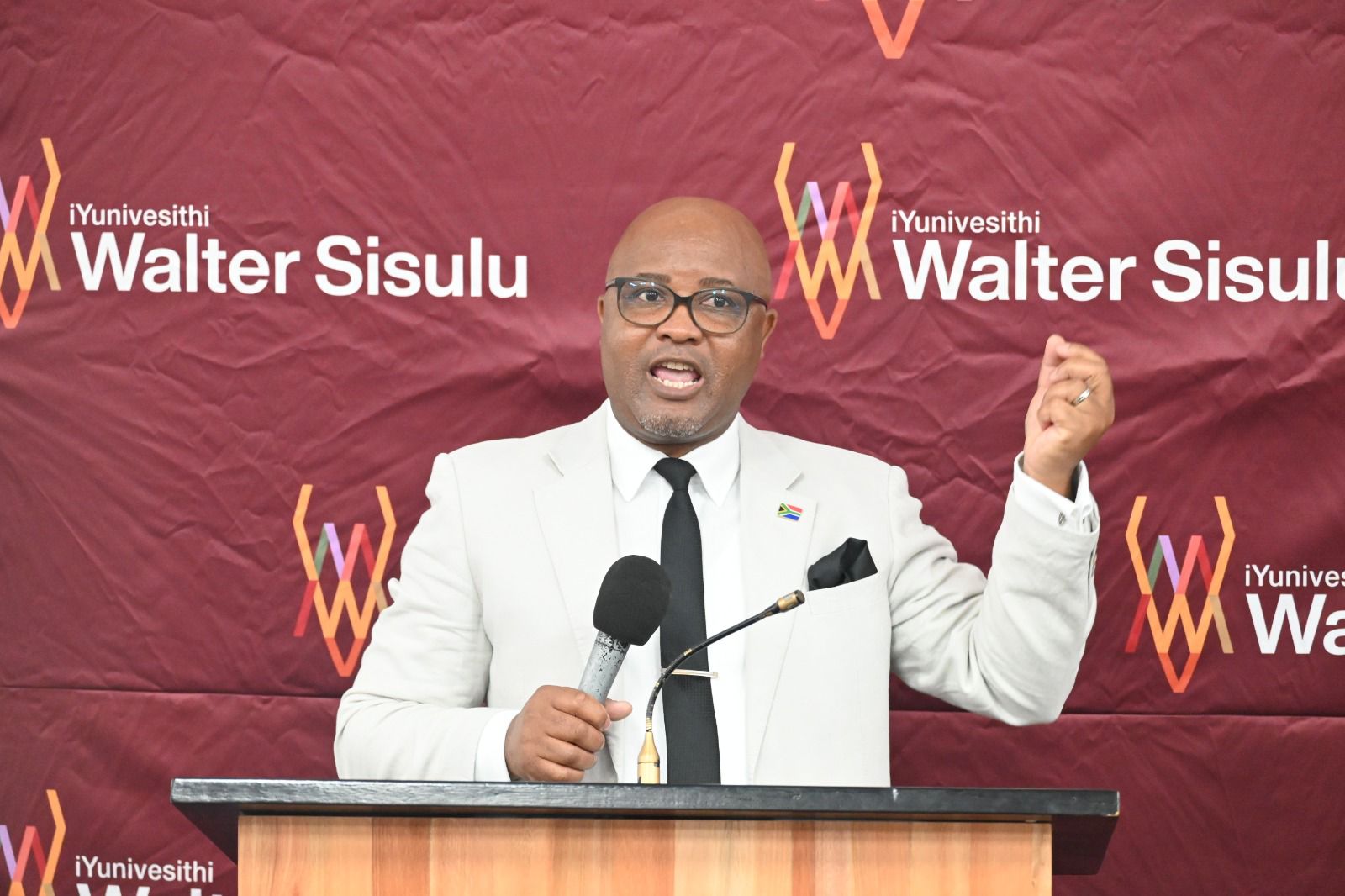
According to iYunivesithi Walter Sisulu Public Law researcher, Zibele Nodangala, commissions of inquiry in South Africa should ultimately not be measured by the weight of the final report, but by whether its findings trigger concrete action and institutional reform.
His research into the role of commissions of inquiry in advancing socio-economic transformation comes as South Africa watches the Madlanga Commission of Inquiry on allegations of criminality, political interference and corruption in the criminal justice system.
This raises a question that could become increasingly important as the Madlanga Commission progresses: “What happens after the Commission has finished investigating?”
“South Africa does not suffer from a shortage of commissions of inquiry. The challenge is ensuring that the findings and recommendations of these commissions translate into meaningful and lasting change,” said Nodangala.
He argues in his research that commissions of inquiry should be viewed as a means to an end, rather than an end in themselves.
“Its purpose is not merely to determine what happened. It should identify why the failure occurred, who or what institutions were responsible, what systemic weaknesses permitted the failure, and what must be changed to prevent its recurrence,” he said.
The Madlanga Commission is investigating serious allegations concerning the possible infiltration or undue influence of criminal syndicates within key components of the criminal justice system, including the South African Police Service, National Prosecuting Authority, intelligence structures, metropolitan police departments and correctional services, as well as aspects of the judiciary.
For Nodangala, this makes the Commission particularly significant because the integrity of these institutions is fundamental to the functioning of South Africa’s constitutional democracy and the protection of the public but he cautions against judging the Commission prematurely.
“With the Commission still underway, allegations, evidence, interim findings and final findings must be carefully distinguished. People implicated in proceedings must also be given an opportunity to respond, in accordance with the principle of audi alteram partem meaning hear the other side,” said Nodangala
He said that the Commission has, however, already demonstrated that its work can have consequences before the conclusion of the inquiry.
He added that its first interim report resulted in referrals for criminal investigation and urgent prosecutorial decisions, as well as recommendations concerning the employment status and suspension of certain individuals. A second interim report followed on 29 May 2026, with further recommendations and referrals.
“These developments as significant because they demonstrate that an inquiry does not necessarily have to wait for its final report before urgent matters can be acted upon, but a referral is not accountability,” he said.
Nodangala's proposed mandatory implementation-and-monitoring framework seeks to close what he describes as a fundamental gap between knowledge and action.
He said every recommendation should have an accountable institution, a deadline, measurable outcomes and a reporting mechanism, with Parliament overseeing the process and government reporting publicly on progress.
By Anita Roji