
Languages:
Staff Apps | Enterprises | Media | Support Services | Vision 2030 | Procurement | Tenders | Contact
Staff Apps | Enterprises | Media | Support Services | Vision 2030 | Procurement | Tenders | Contact
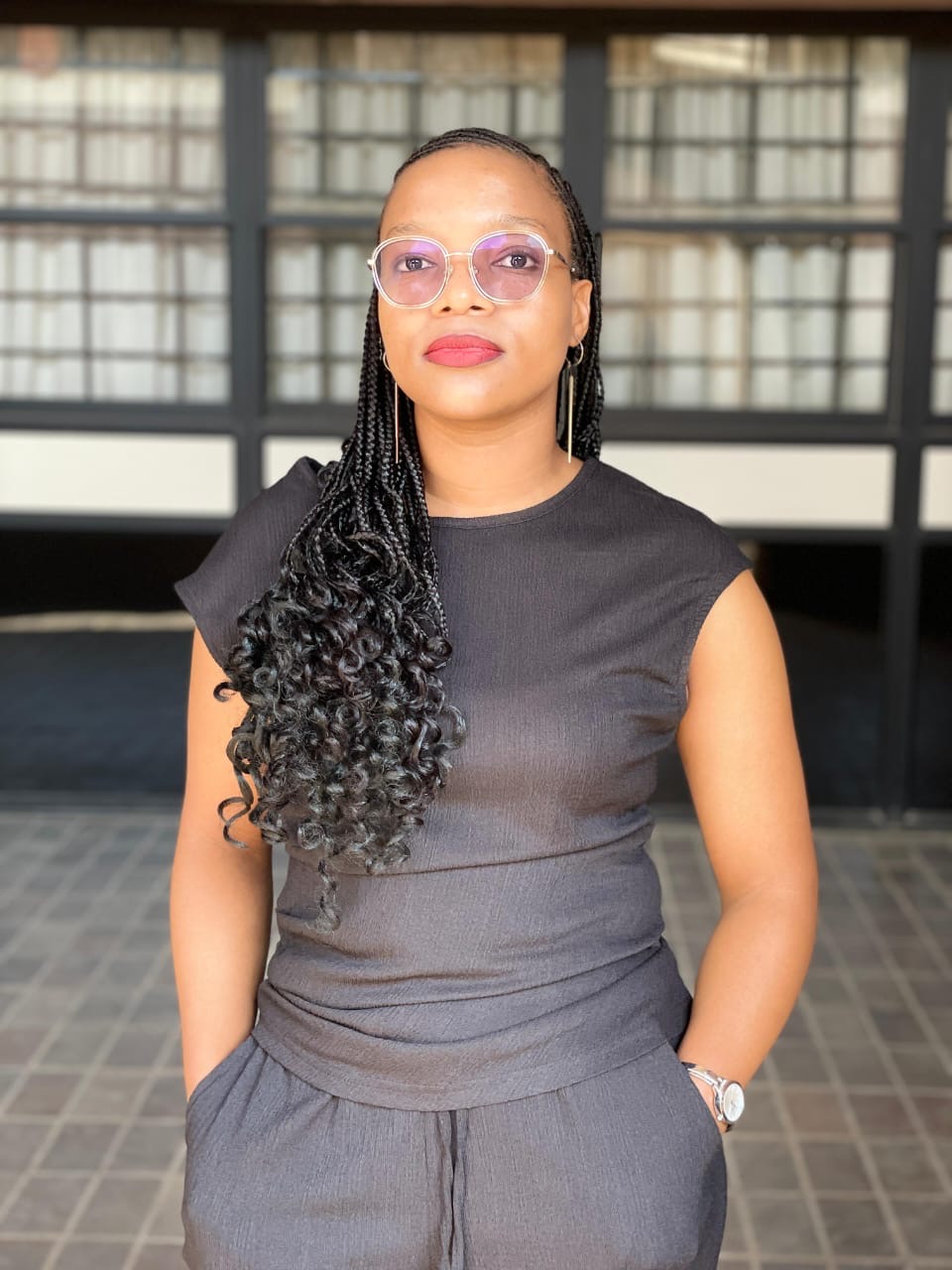 As the National Research Foundation (NRF) celebrates Youth Month by spotlighting young South Africans using research to drive change, iYunivesithi Walter Sisulu researcher Tokozani Mangesi-Nxitywa stood out as an example of how science rooted in lived experiences can transform communities.
Mangesi-Nxitywa a Natural Sciences doctoral candidate s, Laboratory Assistant and Junior Lecturer at Walter Sisulu, is among the emerging researchers recognised by the NRF for using knowledge, innovation and scientific research to respond to challenges affecting communities, work that addresses one of South Africa’s most fundamental challengegs, access to safe, reliable water.
Her research into freshwater quality, rural water security and sustainable alternative water sources contributed towards addressing one of South Africa’s most pressing challenges and access to safe and reliable water.
Her research journey is rooted to her personal experience. Growing up in Tabase, Mthatha, where she understands the realities faced by many rural households when accessing water firsthand.
“Growing up in a rural community in the Eastern Cape, I experienced firsthand the daily challenge of accessing water. Fetching water from the river was part of everyday life, and although I did not realise it at the time, those experiences later became the foundation of my research interests,” she said.
During her academic journey, she discovered a passion for research and using scientific evidence to better understand environmental challenges and contribute towards practical solutions.
Her current work scientifically evaluates harvested rainwater and abandoned borrow pit lakes, water sources many rural households rely on due to unreliable municipal supply. These also include ageing infrastructure, and prolonged interruptions. The evidence she generates aims to support safer, more sustainable water practices in underserved communities. Mangesi-Nxitywa balances roles as researcher, educator, and lab assistant, viewing them as complementary.
Mangesi-Nxitywa’s current research scientifically focuses on alternative water sources commonly used by rural households, including harvested rainwater and abandoned borrow pit lakes. Through her work, she seeks to understand the quality of these sources and generate evidence that can support safer and more sustainable water practices.
“My research was inspired by both personal experience and a recognised gap in scientific knowledge. Growing up in a rural community, I witnessed the challenges many households face in accessing safe and reliable water,” she said.
During periods of water shortages, communities often rely on whatever water source is available, regardless of whether it is safe. This made me realise how important it is to understand the quality of these alternative water sources,” she explained.
Her research responded to challenges experienced by many rural communities, including unreliable municipal water supply, ageing infrastructure, prolonged water interruptions and limited access to safe water sources.
“Many rural communities continue to experience unreliable municipal water supply, ageing infrastructure, prolonged water interruptions and long distances to reliable water sources. These challenges often force households to depend on nearby alternative water sources whose quality is largely unknown. My research addresses this challenge by scientifically evaluating the quality of harvested rainwater and abandoned borrow pit lakes,” she said.
Beyond research, Mangesi-Nxitywa continues to contribute to the development of future scientists through her role as a lecturer. She believes her responsibilities as a researcher; laboratory assistant and educator complement each other.
“Balancing these roles requires discipline, careful planning and effective time management. Although balancing multiple responsibilities can be demanding, I view these roles as complementary rather than competing,” she said.
“Teaching strengthens my understanding of scientific concepts, laboratory work enhances my technical skills, and research allows me to apply both in solving real-world environmental problems,” she added.
For Mangesi-Nxitywa, the NRF recognition during Youth Month represents more than an achievement, it is a reminder of the importance of research that serves society.
“Being recognised by the National Research Foundation during Youth Month is both a privilege and a source of great motivation. Personally, it reminds me that perseverance, dedication and a commitment to addressing real societal challenges through research can make a meaningful difference. It validates the journey I have taken, from growing up in a rural community facing water challenges to conducting research to improve water security for similar communities,” she said.
She credited Walter Sisulu for nurturing her growth as a researcher, educator and mentor, while encouraging young people, particularly young women, to see science as a space where they can create impact.
“Coming from a rural community, I never imagined that one day I would be conducting doctoral research, lecturing at a university and receiving recognition for my work. My journey has taught me that with determination, resilience and the right support, dreams that once seemed impossible can become reality,” she said.
By: Yolanda Palezweni